Roman Public Works: Opera Publica
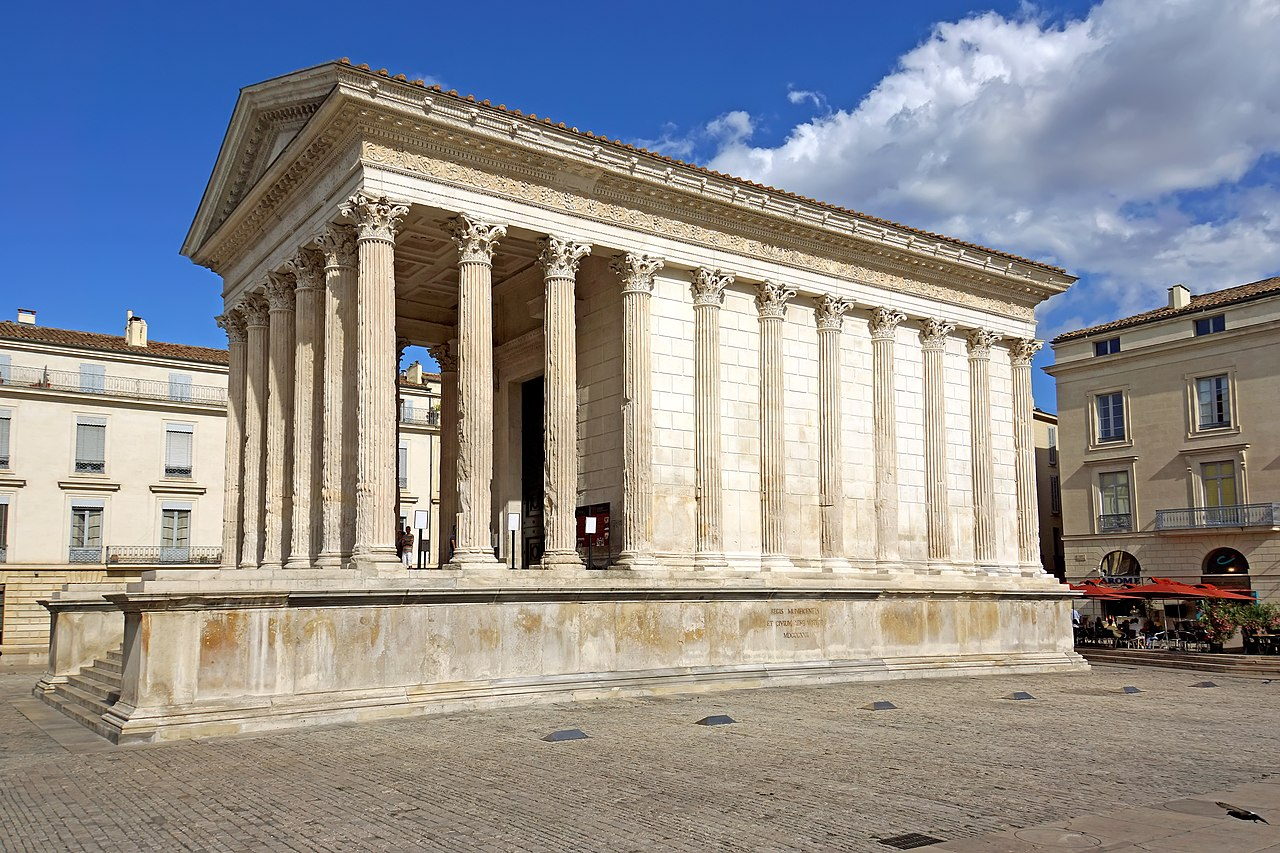
Rome’s empire took shape not only by force, but also through the contracts behind its roads, aqueducts, temples, and harbors.
The system of opera publica—public works—was administered by censors. For example, during their term in 184 BCE, Marcus Porcius Cato and Lucius Valerius Flaccus solicited competitive offers for paving, fountains, sewer construction, and even tax collection services. In History of Rome, Book 39, Chapter 44, Livy describes how the two oversaw logistics and directly shaped the work:
Then they let contracts for the public works to be constructed from funds appropriated for that purpose, the paving of fountain basins with stone, the cleaning of sewers wherever that was necessary, and the construction of new sewers on the Aventine and elsewhere where none had yet been built. And Flaccus separately built a dike at the Neptunian waters that the people might have a footpath there, and a road over the hill at Formiae, and Cato built two markets, the Maenium and the Titium, in the region of the Lautumiae, and bought four shops for the state and erected there the basilica which is called Porcia.
In all of these projects, price mattered, but Rome also prioritized quality. Livy notes that those who “treated their contracts with contempt” were barred from future competitions. The enduring strength of Rome’s aqueducts, roads, and public buildings suggests that reputation and execution often mattered as much as—or more than—what was paid. Roman concrete still holds strong today. Its self-healing properties and chemical resilience are only now being fully understood. These were outcomes that exceeded mere technical sufficiency, anticipating the principles behind what we now call “best value.”
Evidence of Rome’s purposeful approach appears even in smaller, local contracts. An inscription from 105 BCE in the port city of Puteoli—modern Pozzuoli, on the Bay of Naples—records a formal contract to build a wall and passageway between two houses near the Temple of Serapis. It names the public officials, the contractor, and the agreed-upon materials, dimensions, and obligations, including a requirement to offer real property as collateral. The contract also includes detailed technical specifications.
Takeaway: Formal contracting has ancient roots. The Romans knew that public works required accountability, delivered through competition, documentation, and enforcement. More than 2,000 years later, the stones of Puteoli and Rome’s surviving infrastructure still speak the language of public procurement.