The Diary of Samuel Pepys: Naval Procurement and Corruption
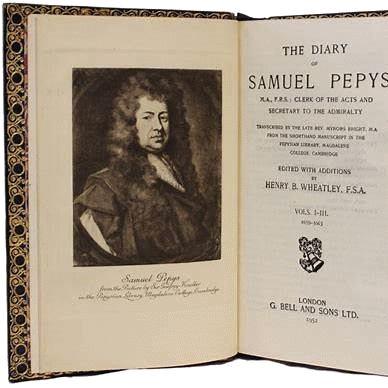
The Diary of Samuel Pepys (1660–1669) offers a vivid glimpse into English political and administrative life during the Restoration. As a rising naval official under King Charles II, Pepys oversaw shipbuilding, provisioning, and purchasing for the Royal Navy.
Pepys (pronounced PEEPS) was, above all, a man of in-person dealings. Each day brought face-to-face encounters with friends, rivals, craftsmen, and courtiers. That constant proximity—so natural to him—now feels strangely, and perhaps sadly, out of step with our time.
His diary captures both the fabric of daily life—from taverns and inns to dockyards, storehouses, and government offices—and the mechanics of managing government supply. In one entry, Pepys pushes back against corruption in naval procurement, rejecting a bribe and calling out inflated pricing to protect the Crown’s interests:
“I had a difference with Sir W. Batten about Mr. Bowyer’s tar, which I am resolved to cross, though he sent me last night, as a bribe, a barrel of sturgeon, which, it may be, I shall send back; for I will not have the King abused so abominably in the price of what we buy, by Sir W. Batten’s corruption and underhand dealing.”
How much was a barrel of sturgeon worth in those days? Probably a lot. In any event, he refused it because it was his duty and, more plainly, the right thing to do.
Pepys never intended his diary for our eyes, but in recording his daily life—and through the unlikely survival of those pages—he forestalled the final death: the moment when his name would be spoken for the last time.
You can follow Pepys yourself at pepysdiary.com, which offers a new entry each day, or on Project Gutenberg. If you want the full experience, check out the unabridged eleven-volume edition edited by Robert Latham and William Matthews.
Takeaway: Even the best procurement systems depend on individual integrity. Here's to the Pepys of the world: those who protect the public purse and send back the sturgeon.