Abraham Lincoln: Testing the Spencer Rifle
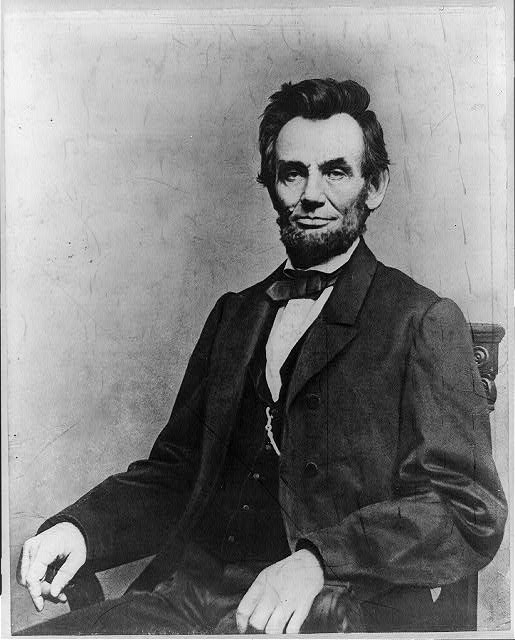
During the Civil War, President Lincoln personally tested the Spencer repeating rifle on the Mall near Treasury Park. After carving a new sight from pine, he returned at dusk to continue firing.
Unlike the standard-issue Springfield, the Spencer was a true rifle: accurate at range, quick to reload, and capable of firing seven shots before a soldier had to reload. It combined speed and precision in a way that reshaped battlefield expectations and tactics.
Lincoln rejected the official skepticism of his Ordnance Department, particularly that of its resistant chief, General James Ripley. Determined to evaluate the Spencer firsthand, Lincoln tested its action, weight, and accuracy, confirming what his instincts already told him. Once satisfied, he directed the War Department to purchase 10,000 Spencers.
Initial deliveries lagged. But in 1863, at Hoover’s Gap, Colonel John Wilder’s brigade—armed with privately financed Spencers—demonstrated the rifle’s decisive advantage. Their success helped shift opinion across the Union Army, especially among cavalry units. By war’s end, the government had issued nearly 100,000 Spencer rifles and carbines.
Take a look at the original Spencer rifle patent. If you’re curious for more: Lincoln held his own patent for a device to lift river boats over shoals.
Takeaway: Some decisions can’t be delegated effectively. Lincoln understood that in matters of war, invention, and public expenditure, real leadership demanded firsthand judgment. He would not endorse a critical weapon—or tap the public purse—without testing it himself.